Why Dental Implants Are an Investment in Your Health
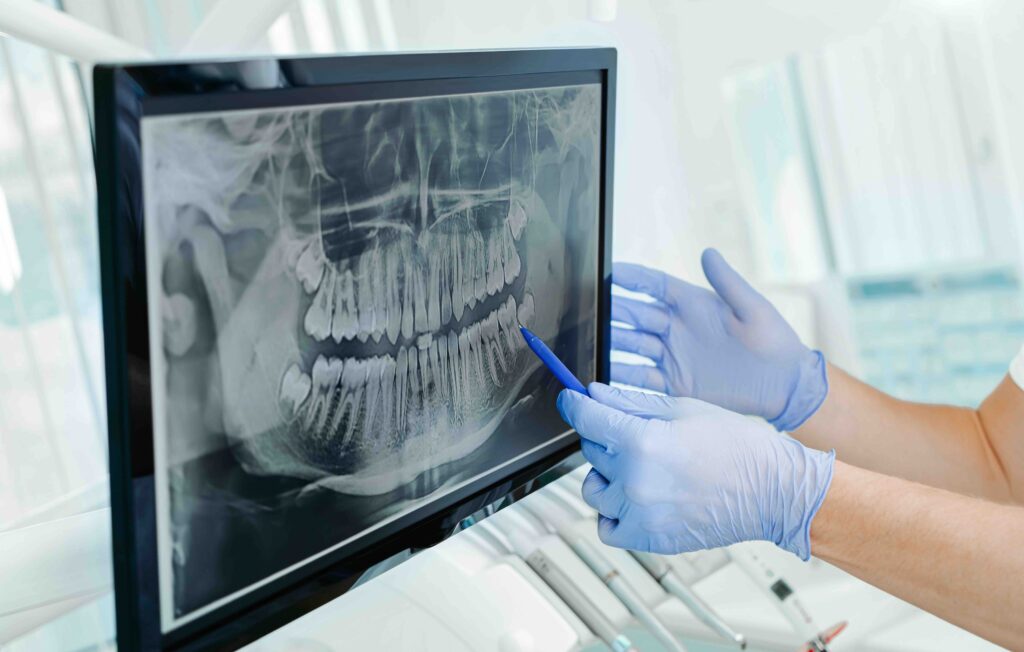
A missing tooth is easy to dismiss at first, especially if it sits toward the back of the mouth and does not show when you smile. Many people adapt quickly. They chew on the other side, avoid certain foods, and tell themselves they will deal with it later. What often gets overlooked is that tooth loss is not just a cosmetic issue. It changes how the mouth functions, how the jaw carries force, how the surrounding teeth move, and in some cases how confidently a person speaks or eats in public.
That is why Dental Implants are better understood as a health decision, not simply a purchase. They can be expensive upfront, and no responsible clinician should pretend otherwise. Yet cost alone rarely captures the full picture. When treatment works well and is properly maintained, an implant can protect bone, support normal chewing, help preserve the bite, and spare a patient from years of workarounds that slowly affect quality of life. The word investment gets used loosely in healthcare, but here it fits. You are paying for structure, function, stability, and often peace of mind.
The real cost of losing a tooth
Teeth do more than fill space. Each one helps distribute pressure across the bite. Remove one, and the system begins to compensate. Adjacent teeth may drift into the gap. Opposing teeth may over-erupt because they no longer meet resistance. Chewing patterns shift. Over time, that can create uneven wear, jaw discomfort, and difficulty cleaning areas that were once easy to reach.
There is also the issue of bone. The jawbone depends on stimulation from tooth roots. When a natural tooth is lost, that stimulation drops off. The bone in that area often begins to shrink. This process can be gradual, but it is biologically real. Patients sometimes notice it later as a change in gum contour or facial support. In the back of the mouth, the change may not be visible, but it can complicate future treatment if the bone volume decreases enough to require grafting.
These changes are not always dramatic in the short term. That is part of the challenge. A missing tooth can feel manageable for months or even years, while subtle structural changes continue. By the time a patient is ready to replace it, the treatment may be more involved than it would have been earlier.
What makes an implant different
A dental implant replaces the root as well as the visible tooth. That distinction matters. Bridges and removable appliances can restore appearance and some function, but they do not interact with bone in the same way. An implant, once integrated, transfers chewing forces into the jaw. That helps preserve the bone and gives the replacement tooth a level of stability that often feels closer to natural teeth than other options.
In practical terms, patients often notice a few things once healing is complete. Food feels easier to chew. There is less fear that a replacement will shift at an awkward moment. Speech can feel more natural than with a loose removable prosthesis. Cleaning also becomes more straightforward than it is around some bridge designs, provided the implant restoration is well planned.
This does not mean implants are the right answer in every case. They are a strong option, not a universal one. The value comes from how they solve several problems at once: replacing the tooth, supporting the bite, preserving bone, and reducing dependence on neighboring teeth.
Upfront expense versus long-term value
Most hesitation around implants comes down to price, and that concern is reasonable. A single implant involves several components and phases of care. There is the consultation, imaging, the surgical placement, healing time, and the final crown. If grafting is needed, that adds cost. Fees vary widely by region, complexity, and who performs each stage.
The mistake is comparing only the invoice amount without considering longevity and downstream effects. A removable partial denture may cost less initially, but it can require adjustments, relines, replacements, or repairs over time. A traditional bridge can be an excellent treatment in the right situation, but it typically requires altering adjacent teeth. If those teeth are healthy and untouched, preparing them for crowns is a meaningful trade-off. If one of those supporting teeth later develops decay, fracture, or root canal problems, the economics change quickly.
A patient who chooses the least expensive short-term solution may still be making the right decision for their budget and health status. That deserves respect. Still, from a long-range standpoint, many people find that paying more once for a stable, fixed solution is easier than cycling through repairs and compromises.
Bone preservation is not a cosmetic detail
Bone loss after tooth extraction is one of the least appreciated reasons implants matter. Patients often think of bone only in relation to appearance, especially in the front teeth where gum and lip support are highly visible. Yet bone preservation matters throughout the mouth.
When the bone narrows or loses height, future options can become more limited. Implant placement may still be possible, but it may require augmentation procedures. Those procedures can be predictable and worthwhile, though they add time, cost, and surgical complexity. In other words, waiting can sometimes turn a straightforward case into a staged one.
There is also a functional side to bone loss. Stable bone helps support healthy gum architecture around the restoration. It contributes to how an implant crown emerges from the gumline and how easy the area is to clean. In the esthetic zone, good bone support can make the difference between a result that simply fills a space and one that truly blends with the natural smile.
Chewing efficiency affects nutrition more than people think
When people avoid certain foods because of missing teeth, they rarely frame it as a health issue. Dental Implants They just adapt. Steak gets cut smaller. Nuts are skipped. Crisp fruits and vegetables become less appealing. Crusty bread is avoided. On paper, these may look like minor changes. In daily life, they can narrow a diet in ways that matter.
Older adults are especially vulnerable here, but the issue is not limited by age. Anyone who has had chronic dental instability knows that eating can become a calculation. You choose the softer option, the easier option, the safer option. Over months and years, that can chip away at dietary variety and enjoyment. Better chewing function does not guarantee better nutrition, but it removes one common barrier.
Implants can also improve comfort by reducing movement during chewing. That matters for patients who have struggled with removable appliances. If a denture or partial is unstable, the person may be technically able to eat, but only with caution. A fixed implant-supported solution often restores confidence at the same time it restores force.
The hidden value of protecting nearby teeth
One of the strongest arguments for implants is what they allow you to leave alone. If the teeth next to a gap are healthy, preserving their structure has real value. A bridge can be a smart choice in some situations, particularly when neighboring teeth already need crowns. But when they are intact, reducing them to support a bridge is a sacrifice.
Dentistry often involves balancing present needs against future risks. Enamel does not grow back. Every restoration begins a maintenance cycle. Crowns can last many years, but they may eventually need replacement. An implant-supported crown stands independently, which means the adjacent teeth can remain natural.
This distinction becomes even more important in younger patients. A person in their thirties or forties may have decades of dental maintenance ahead. Preserving sound tooth structure whenever possible is usually wise.
Confidence is not vanity
A person who hides their smile, avoids photos, or hesitates to speak freely because of a missing tooth is experiencing a health impact, even if it does not appear on an X-ray. Emotional and social effects are often brushed aside as optional concerns, but they influence daily behavior in very practical ways.
I have seen patients who stopped ordering certain meals in restaurants, not because of pain, but because they feared embarrassment. Others developed a habit of covering their mouth when laughing. Some became less likely to pursue treatment early because they felt ashamed of the problem. Once the tooth was replaced with a stable implant restoration, the shift was visible. They smiled without thinking about it. That kind of ease matters. It changes how people show up in ordinary moments.
Calling that outcome cosmetic misses the point. The ability to speak, eat, and smile without self-consciousness supports mental well-being and social comfort. Those are legitimate health outcomes.
Not every implant case is simple, and that matters
A responsible discussion about Dental Implants should include the hard parts. Not every patient is an easy candidate. Smoking, uncontrolled diabetes, active gum disease, certain medications, grinding habits, and inadequate bone can all affect planning and healing. None of these factors automatically rule out treatment, but they may change the timeline, the predictability, or the maintenance demands.
The front of the upper jaw is a good example of complexity. A single implant there has to satisfy function, gum symmetry, papilla support, crown shape, and color match all at once. Tiny discrepancies show. In those cases, skill and planning matter enormously. The cheapest option can become the most expensive if the result has to be revised.
Posterior implants bring their own concerns. Bone quality may be softer in the upper back jaw. The lower jaw can have limited vertical space near the nerve. Heavy bite forces can challenge restorations if occlusion is poorly managed. None of this means implants are risky by default. It means they reward careful diagnosis and disciplined execution.
What patients are really paying for
When patients receive estimates that seem high, it helps to understand what sits behind the fee. A well-done implant case is not a single act. It is a chain of decisions, each affecting the next stage. The best outcomes usually come from thoughtful planning, precise surgery, quality materials, and a restoration designed for both esthetics and cleanability.
Here are some of the factors that shape cost and value:
- Diagnostic planning, including imaging and assessment of bone, bite, and gum condition.
- Surgical precision, which affects implant position, healing, and long-term load distribution.
- Restorative design, including the crown, abutment, and how the final tooth can be cleaned.
- Material quality and laboratory work, especially in esthetic areas or full-arch cases.
- Follow-up and maintenance, which protect the investment after treatment is complete.
When any of these are compromised, the patient may still receive a tooth-shaped result, but not necessarily a durable one. A crown that looks good on day one but traps plaque, overloads the implant, or irritates the tissue is not a bargain.
Longevity depends on maintenance, not luck
One misconception is that implants are permanent in the sense of being maintenance-free. They are not. They do not decay like natural teeth, but the surrounding tissue can still become inflamed or infected. Peri-implant disease is a real concern, particularly in patients with a history of periodontal problems or inconsistent hygiene.
That said, implants can serve for many years, often decades, when placed well and cared for properly. Success depends on home care, routine professional reviews, and attention to early warning signs such as bleeding, deepening pockets, or loosening of components. The crown or attachment parts may need maintenance even when the implant itself remains solid.
Patients who do best tend to understand one simple principle: an implant is not a replacement for oral hygiene discipline. It is a restoration that deserves the same, and sometimes greater, level of care as a natural tooth.
When an implant may not be the best investment right now
There are cases where delaying or declining an implant is sensible. If gum disease is active, placing an implant before stabilizing the mouth is poor sequencing. If a patient cannot Dental Implants maintain basic hygiene, the risk profile changes. If finances are stretched to the point that follow-up care will be neglected, a lower-cost treatment may be more realistic in the short term.
For some people, a bridge is the better choice because the adjacent teeth already need full coverage restorations. For others, a removable option can serve as an interim solution while bone development, medical conditions, or finances are addressed. Good dentistry is not about pushing one treatment on everyone. It is about matching the treatment to the person.
A thoughtful clinician should be able to explain not just why an implant is appealing, but also when another path makes more sense. That kind of judgment is often the best sign that the recommendation is trustworthy.
Questions worth asking before you proceed
Patients often focus on brand names and price, but the more useful questions are about planning, risk, and maintenance. Before moving ahead, it helps to ask:
- Am I a good candidate right now, or do other issues need treatment first?
- Will I need grafting, and if so, how does that change healing time and cost?
- Who is responsible for each phase, the surgery, the restoration, and long-term follow-up?
- What does maintenance look like over the next five to ten years?
- What are the realistic alternatives in my case, and what trade-offs come with each?
These questions do not make a patient difficult. They make a patient informed. Implant treatment works best when expectations are clear from the start.
The health return is bigger than the receipt
When people talk about whether Dental Implants are worth it, they often mean, “Will I regret spending this much?” That is understandable. Dental treatment competes with every other financial priority in life. Yet the better question is often, “What does this choice help me keep?” Bone, chewing capacity, neighboring tooth structure, comfort, confidence, and flexibility in daily life all have value, even though they do not fit neatly into a spreadsheet.
A well-planned implant is not just a replacement tooth. It is a way of restoring a small but important part of how the body works. It supports the architecture of the mouth. It reduces the slow consequences of untreated tooth loss. It can make eating easier, speech more natural, and hygiene more manageable. For many patients, it also removes a constant low-grade awareness that something is missing.
The upfront fee is real, and no ethical practitioner should gloss over it. But so are the benefits that unfold over years, not weeks. When implants are chosen for the right reasons, placed in the right conditions, and maintained well, they are one of the clearest examples in dentistry of spending money to protect long-term health rather than simply patch a short-term problem.
Oaks Dental
5000 Parkway Calabasas Suite 308
Calabasas, CA 91302, United States
+1 818-431-2000
FAQ About Dental Implants
What is the downside of a dental implant?
Implants require surgery and a healing period that can last several months. Possible complications include infection, nerve or sinus injury, damage to nearby teeth and failure to bond with bone. Your dentist should assess your health, bone support and alternatives before recommending treatment.
What do dental implants typically cost?
There is no single price for every implant case. The number of teeth replaced, implant components, final restoration and any grafting or extractions affect the total. Request a written estimate covering every stage and confirm insurance benefits and out-of-pocket costs with the practice.
How long do tooth implants last?
An implant can provide long-term support and may last a lifetime with good oral hygiene and regular dental care, but this is not guaranteed. The crown or other restoration may need replacement sooner. Smoking, gum disease and some health conditions can reduce implant success.